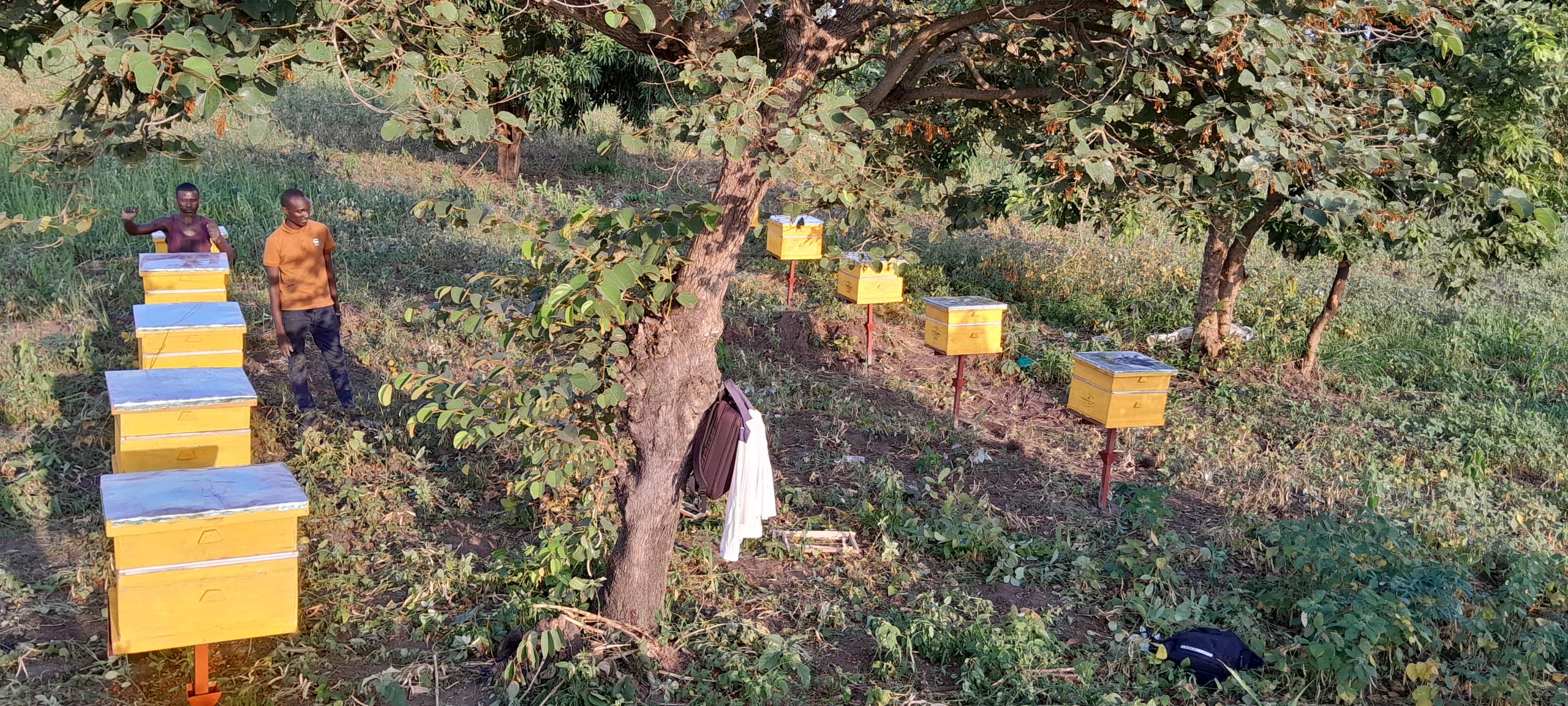
The Acre Model.
Bridging the gap between immediate survival and long-term sustainability for smallholder families.
The Reality
on the Ground.
In Uganda's rural communities, 12 family members typically depend on just one acre of land. Traditional maize farming yields only 400kg per season—barely enough to feed the household.
The Land Squeeze
One acre of land. Twelve lives. Conventional farming fails to sustain this ratio.
12 People : 1 Acre Matrix
The Survival Trap.
As soil yields decline, families face impossible choices. Short-term survival strategies often destroy long-term ecological hope.
Deforestation
Cutting trees for charcoal offers immediate cash but destroys future fertility.
Farmland Expansion
Degrading more land temporarily in a desperate attempt to find nutrients.
Urban Migration
Breaking family structures as members flee to cities for survival.
Why Current
Solutions Fail.
Traditional development ignores the reality of land-starved families who need food today to care about sustainability tomorrow.
A Better Way Forward
Food First
Securing the family's meals immediately.
Immediate Income
Cash flow starting within months, not years.
Ecological Healing
Trees that provide nectar for income.
Knowledge Transfer
Peer-to-peer technical mentorship.
Agriculture Projects
- Focus on large farms
- Ignore 1-acre realities
- Promote cash crops over food security
Conservation Projects
- Plant trees without economic benefit
- No short-term incentives
- Ignore immediate food needs
Development Projects
- Require land farmers don't have
- Need capital investment
- Complex technologies
The Acre Solution.
Food Security Zone
1/2 Acre AllocationDirect sustenance for the 12-member family. Focused on beans, maize, and diverse vegetables.
Income Generation Zone
1/2 Acre Allocation20 Sustainable Beehives + Nectar Trees. High-value harvest for the global market.
Implementation Steps:
Install 20 Beehives (averaging 10kg/hive per harvest).
Achieve 3 harvests per year → 600kg total annual honey.
Generate 6,000,000 UGX based on market value (10k UGX/kg).
Plant fast-growing nectar trees (Calliandra, Eucalyptus).
Economic
Transformation.
6.0M UGX
Honey Income
Annual Projection
20+
Beehives
Per Family
600 kg
Honey Yield
Produced Yearly
7.5x
Income Boost
Increase vs Maize
92%
Education
School Fees Covered
10-15
Ecosystem
Trees per Family
Beyond Income: Environmental & Social Benefits
By shifting half of the acre to beekeeping, families go from earning ~800,000 UGX/year to 6,000,000 UGX/year—a massive 7.5× boost that secures school fees and halts deforestation.
85% Reduction
In Soil Erosion
200% Increase
In Pollinator Populations
Universal Enrollment
School Fees Fully Covered
Adopt the Model.
Our mission is to scale this 1-acre framework across the region. Join us as a donor, partner, or stewardship lead.